
Syria Needs Us
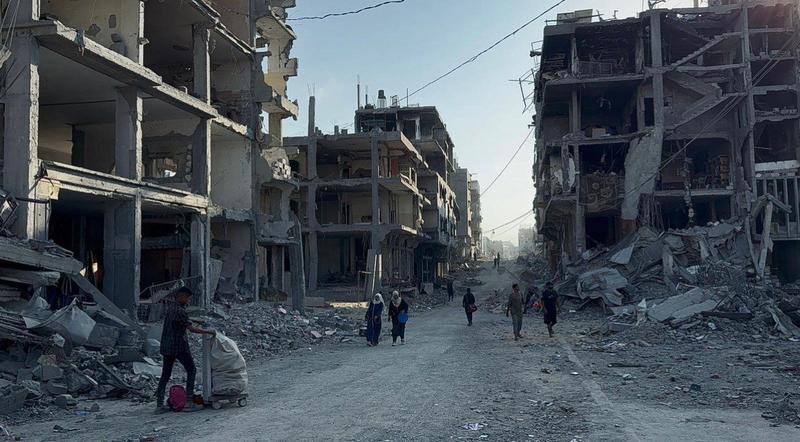
Although Syria’s previous government was overthrown a year ago, the humanitarian situation remains deeply distressing. The consequences of years of civil war are visible everywhere: destroyed homes, damaged infrastructure and devastated farmland scar the country.
More than 7 million people have been displaced within Syria. Many live in makeshift shelters or tents. Returning to their home towns is often impossible because their houses have collapsed or been severely damaged. Reconstruction is also hampered by the precarious energy supply: large parts of the power grid have been destroyed – where electricity is available at all, it is usually only for a few hours a day.
Hunger and hardship
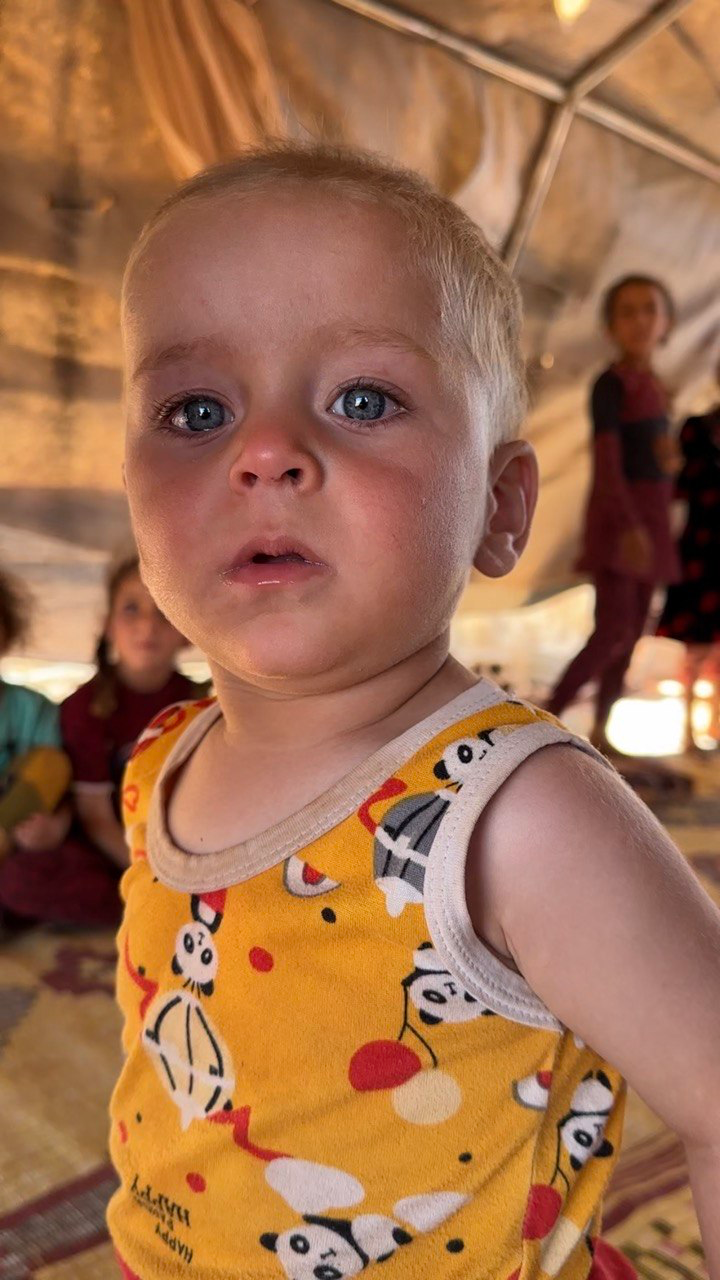
Around half of the population struggles to get enough to eat. Farmland has been bombed or rendered unusable, water is scarce, and there is not enough money for seeds and food. Many families were dispossessed during the war and have lost their livelihoods.
In total, around 3 million Syrians – including many children – are at acute risk of hunger.
For more than 15 years, people have longed for a peaceful, dignified everyday life. Amid poverty, pain and rubble, it is difficult to find new hope.
Our aid on the ground – practical and effective
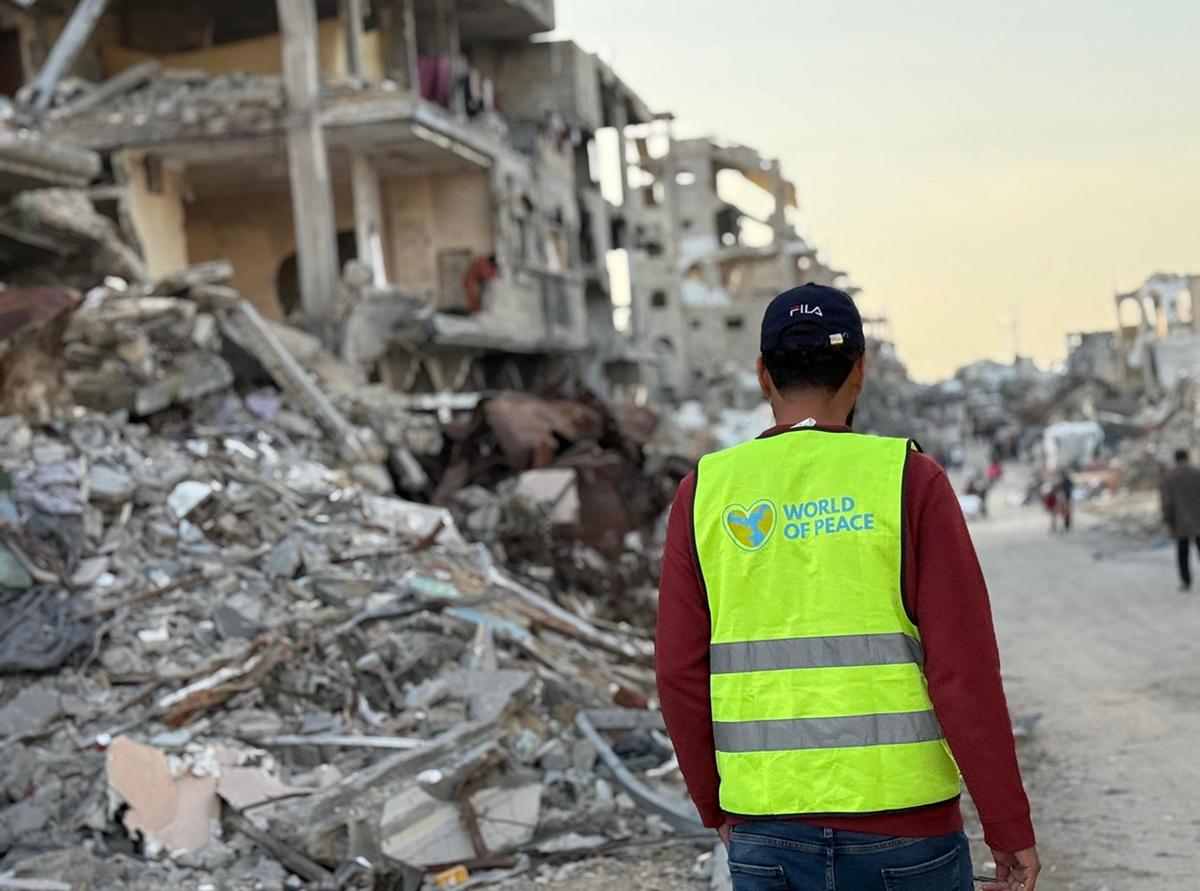
World of Peace is actively supporting people in Syria – not only with words, but through practical action:
Following the political transition, we became the first NGO from Germany to resume sending aid deliveries into the country.
In close coordination with the government and local partners, we became the first German aid organisation to deliver 16 pallets of urgently needed medical supplies to Harasta Hospital in Damascus.
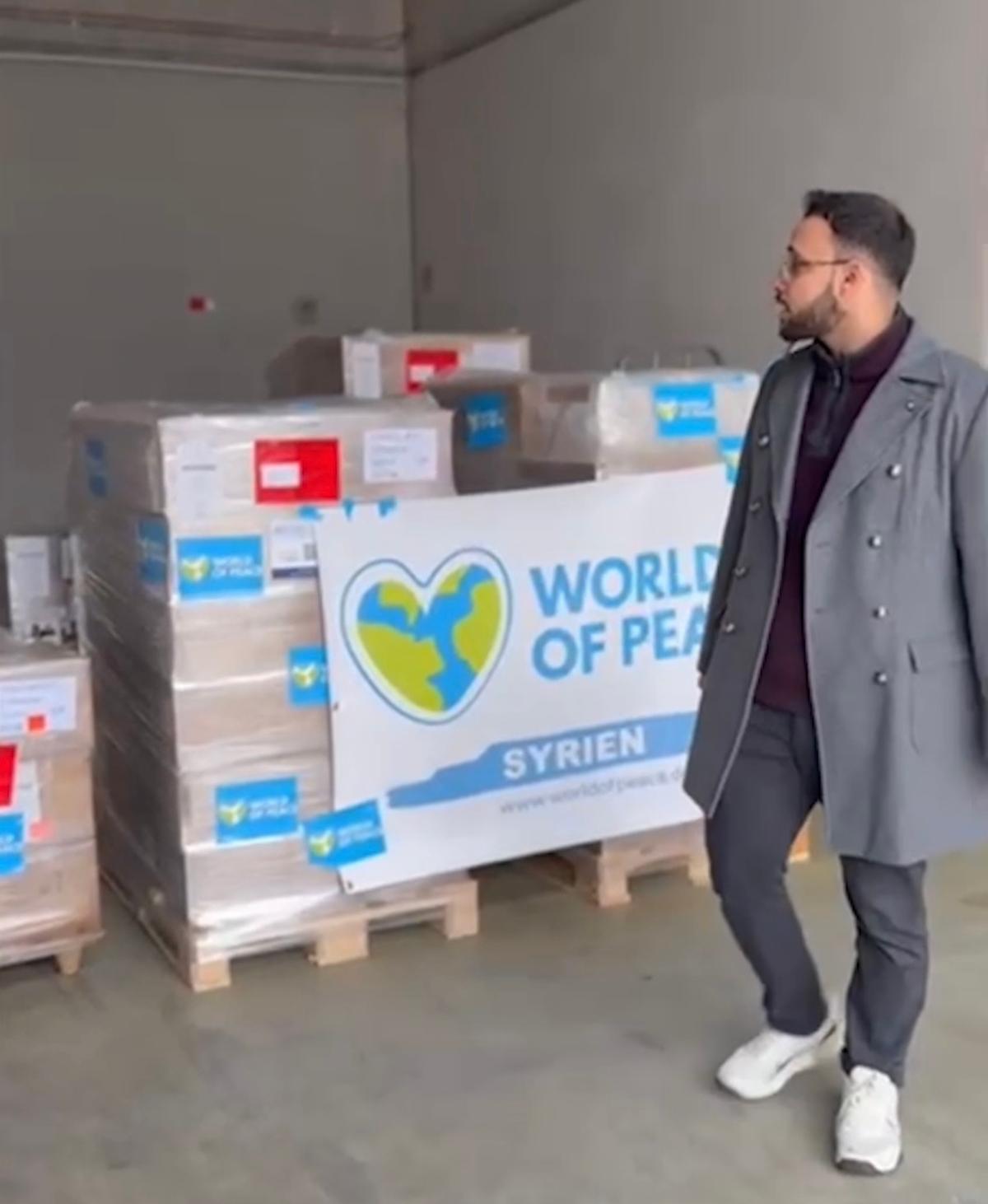
This delivery is helping to save lives – because many places lack essential supplies such as bandages, disinfectants and basic medical equipment.
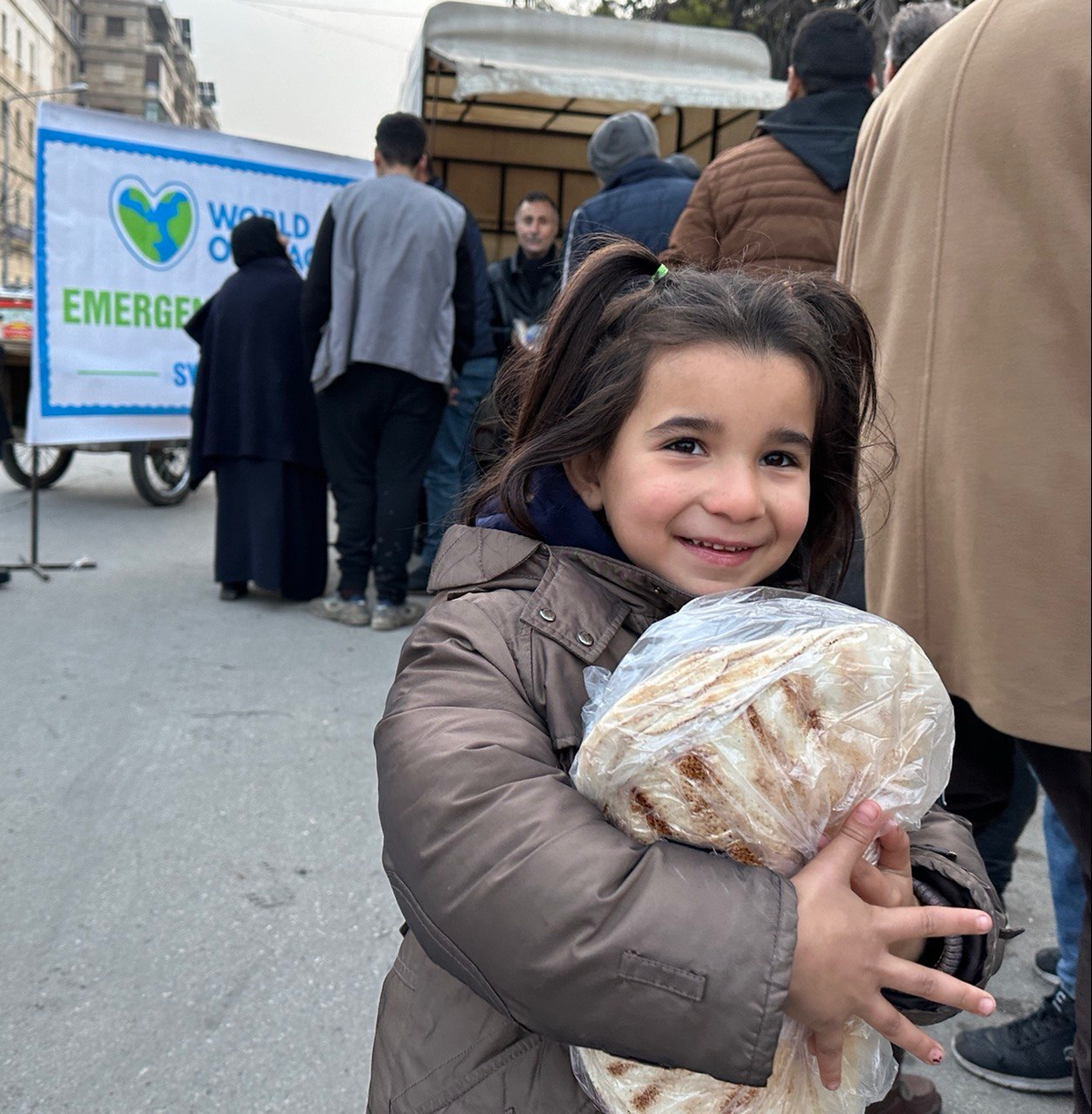
Alongside medical aid, we distributed:
- Food parcels to families in need
- Hot meals for children, older people and displaced people
- Support for particularly vulnerable groups
Helping to rebuild Syria
Alongside emergency aid, we are actively contributing to Syria’s reconstruction, particularly in healthcare and essential services.
Through dialogue with partners from business and development cooperation, we contribute our humanitarian expertise and work together to develop shared solutions.
Discussions with representatives of GIZ, the Federal Ministry for Economic Cooperation and Development in Bonn, and Syria’s Minister of Health, Dr. Musab Nazzal Ali, in Damascus make one thing clear: sustainable aid is only possible by working together.
Our goal is to strengthen existing structures, secure healthcare provision for the long term and implement practical reconstruction projects responsibly.
Now is the time to help!
The people of Syria still need our support.
Stability. Essential supplies. And a spark of hope.