
Why Soap Is Just as Important as Bread in Crisis Areas
Hygiene saves lives: Learn why soap is vital in crisis areas such as Gaza and Syria. Help now!
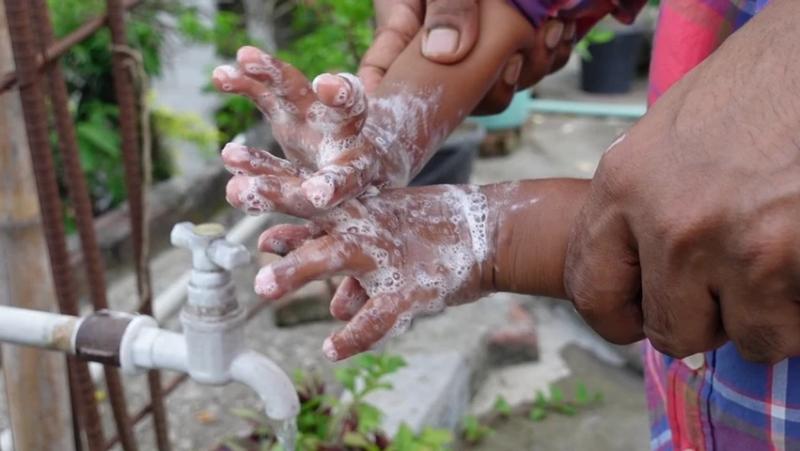
When people think of humanitarian emergency aid, food parcels and clean drinking water usually come to mind first. Yet one often underestimated factor can make a crucial difference to survival in crisis areas such as Gaza, Syria or Sudan: hygiene. At World of Peace e.V., hygiene products are an integral part of our aid strategy because they form an invisible barrier against deadly diseases.
Contents
- Prevention Before Disaster: The Medical Impact of Hygiene
- WASH Strategy: Why Water Without Soap Is Not Enough
- The Food Bank: What Belongs in an Effective Survival Package?
- Scientific Evidence: How Hygiene Saves Lives
- Economic Impact: Local Procurement Strengthens the Region
- Checklist: What Goes into a Professional Hygiene Kit
- Conclusion
- FAQs
Prevention Before Disaster: The Medical Impact of Hygiene
In overcrowded refugee camps or devastated urban areas, diseases such as cholera and typhoid spread rapidly when clean drinking water is unavailable and basic hygiene standards cannot be maintained. A “hygiene revolution” means understanding aid not merely as providing calories, but as comprehensive protection for people's health.
- Breaking chains of infection: Simply washing hands with soap can greatly reduce the risk of diarrhoeal diseases, which are often fatal in crisis areas.
- Protecting the most vulnerable: Babies and people experiencing malnutrition especially need a hygienic environment because their immune systems are already weakened.
- Preserving dignity: Access to soap and cleaning products allows affected people to maintain a minimum level of personal hygiene, preserving a measure of human dignity in extreme emergencies.
WASH Strategy: Why Water Without Soap Is Not Enough
WASH stands for Water, Sanitation, and Hygiene. A well alone saves lives, but only when combined with hygiene education and cleaning products does the support become sustainable.
- Using clean water safely: What good is a solar-powered well providing crystal-clear water if that water is transported in contaminated containers or drunk with dirty hands?
- Targeted distribution: Alongside staple foods such as rice and flour, our parcels therefore include soap and cleaning products specifically to help prevent diseases from spreading in camps.
- Expert insights: Those interested can find detailed data on the importance of these measures in the latest UNICEF and WHO JMP report, the gold standard for WASH statistics.
Scientific Evidence: How Hygiene Saves Lives
Studies demonstrate the enormous “health return” of preventive measures.
- Cost-effectiveness: According to the World Food Programme (WFP), every euro invested in preventive food security and hygiene saves up to 10 euros in subsequent emergency medical treatment costs.
- Long-term protection: The Journal of Humanitarian Affairs shows that sustained aid can reduce rates of stunted growth among children in crisis areas by up to 30%.
Economic Impact: Local Procurement Strengthens the Region
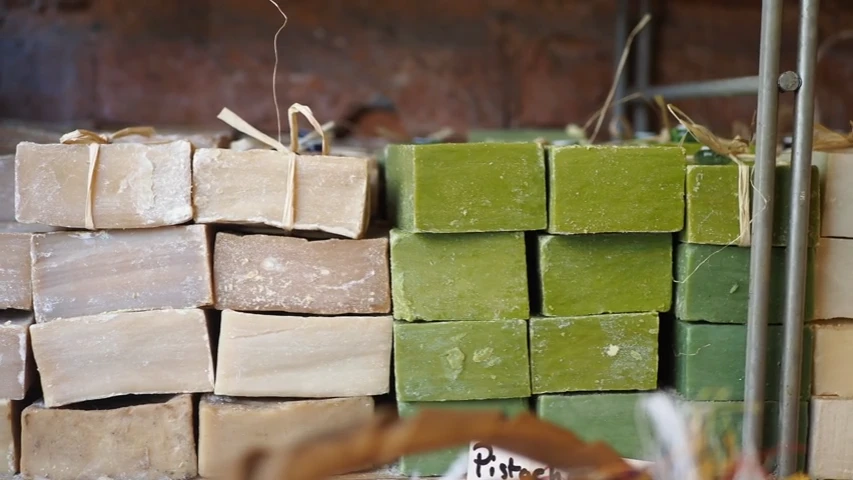
A key aspect of our philosophy of “helping people to help themselves” is strengthening local markets. Whenever local conditions allow, we source soap, cleaning products and staple foods directly from traders and farmers in the region. This offers vital benefits for the sustainability of our projects:
- Economic stability: During crises, local markets are often on the brink of collapse. By purchasing strategically, we help sustain the livelihoods of local small businesses.
- Efficiency & the environment: Local procurement avoids extremely high international transport costs and greatly reduces CO2 emissions.
- Acceptance: The products are familiar to local people, making it easier to incorporate the hygiene items into everyday life.
- Emergency logistics: Only when markets are completely depleted, as is often the case in isolated parts of Gaza or Sudan, do we turn to large-scale external supply chains.
Checklist: What Goes into a Professional Hygiene Kit
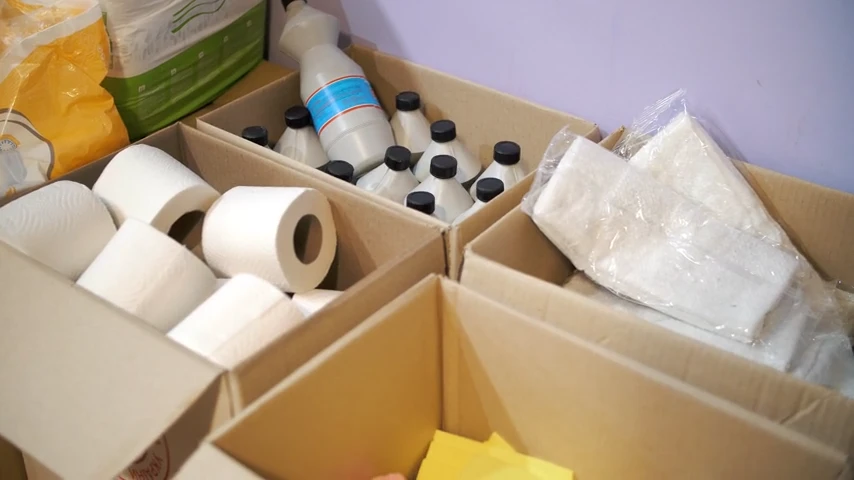
What exactly does your donation fund? Our hygiene kits are not standard packages; they are carefully tailored to the medical reports provided by our teams on the ground. A professional kit for a family in a crisis area such as Syria or Sudan generally includes:
- Personal hygiene: Several bars of soap for regular washing, helping to minimise germs on the skin.
- Laundry care: Detergent for washing clothes and textiles, which helps prevent the spread of skin diseases, especially in camps.
- Sanitary cleaning: Cleaning products for water containers and surfaces, maintaining hygiene at every stage from the well to the home.
- Special requirements: Where needed, we supplement the packages with hygiene products for mothers and babies or high-calorie therapeutic food for people experiencing malnutrition.
This targeted selection ensures that the aid does more than arrive: it delivers a measurable “health return” for the entire community.
Protecting Health Together: Why Hygiene Means Survival in Crisis Areas
When people think of humanitarian emergency aid, food parcels and clean drinking water usually come to mind first. Yet one often underestimated factor can make a crucial difference to survival in crisis areas such as Gaza, Syria or Sudan: hygiene. At World of Peace e.V., hygiene products are an integral part of our aid strategy because they form an invisible barrier against deadly diseases.
Why You Can Place Your Trust in Us
Our work combines professional logistics with deep local roots. Rather than relying on anonymous structures, we work with our own project teams on the ground, made up of members of the local community. This ensures not only efficient distribution of relief supplies, but also the greatest possible acceptance and dignity for recipients.
- Maximum transparency: We guarantee that your donation goes directly to our local projects and document every stage of progress comprehensively with photos and videos.
- Targeted prevention: Alongside staple foods, our Food Bank parcels include soap and cleaning products specifically to help prevent diseases such as cholera from spreading in camps.
- Evidence-based impact: Studies show that every euro invested in preventive food security and hygiene saves up to 10 euros in subsequent emergency medical costs.
- Tax-deductible giving: As a non-profit organisation with tax-privileged status, your support is fully tax-deductible in Germany.
A Holistic Approach to Human Dignity
Emergency relief requires more than goodwill – it needs professional structures and a focus on what matters most. In this context, soap is just as important as bread: it protects the life that food sustains. With your support, we build bridges towards a world where health is not a luxury, but a fundamental right.
Give more than a donation – give protection and human dignity by supporting our life-saving emergency relief today.
Conclusion
Providing emergency relief in places such as Gaza, Syria or Sudan is a monumental task. It requires more than goodwill – it needs professional structures and a focus on what matters most. In this context, soap is just as important as bread: it protects the life that food sustains. Your donation enables us to build these bridges of hope and offer people in need a path towards a better future.
FAQs
Why is soap medically just as important as food in crisis areas?
In crisis regions such as Gaza, Syria or Sudan, people's immune systems are already severely weakened by stress, displacement and food shortages. Under these conditions, diseases such as cholera and typhoid, transmitted through contaminated water and inadequate hand hygiene, can become life-threatening extremely quickly. Soap is the most effective tool for breaking chains of infection. While food provides energy, hygiene ensures that the body is not further weakened by preventable infections. Without soap and clean water, the risk of children dying from diarrhoeal diseases before food aid can take full effect increases dramatically.
How does World of Peace ensure that hygiene products and food reach active conflict zones?
Our logistics are founded on strong local roots. Instead of relying on anonymous large-scale shipments, our project teams are made up of local people who know the area's geography and social structures in detail. In places such as Sudan and Gaza, we use detailed lists of families in need, prepared in consultation with trusted local contacts. If official routes or borders are blocked, our mobile teams use alternative routes or secure temporary storage facilities until safe distribution is possible. Every step is documented with photos and videos to confirm that the aid has arrived.
What exactly does a hygiene kit contain, and how long does it last a family?
Our hygiene kits are designed to prevent diseases from spreading effectively in camps. A standard kit generally includes bars of soap for personal washing, laundry detergent and, depending on need, products for cleaning water containers. We regularly adapt the contents in line with medical reports from our teams on the ground, for example by adding disinfectant during disease outbreaks. Each package is designed to support an average family for several weeks until the next coordinated distribution. Whenever market conditions allow, we choose locally familiar products that also strengthen the local economy.
Is special support available for babies and mothers in these emergencies?
Yes. We recognise that standard aid is often insufficient for particularly vulnerable groups. In regions such as Sudan and Syria, we specifically supplement our Food Bank parcels with specialist food for young children or high-calorie therapeutic food for people experiencing malnutrition. We also tailor our hygiene support to the needs of mothers and newborn babies, as clean water and disinfection can determine the chances of survival during childbirth under difficult conditions. Our mission is to extend a helping hand especially to those who can no longer help themselves.
How does World of Peace guarantee financial transparency for my donation?
Trust is the most important currency in our work. As a signatory to the “Initiative Transparente Zivilgesellschaft”, we are subject to the strictest guidelines. Every donation received and every use of funds is fully documented and transparently available to our supporters. We ensure that your funds are allocated directly to the designated projects on the ground. As we have tax-privileged status and are exempt from corporation tax, you can also be confident that your donation is fully tax-deductible in Germany. We automatically issue the appropriate donation receipt.
Can hygiene products be purchased locally to strengthen the local economy?
This is a key aspect of our philosophy of “helping people to help themselves”. Whenever market conditions in the affected regions allow, we source soap, cleaning products and staple foods from local traders and farmers. This not only saves transport costs and reduces CO2 emissions, but also supports the local economy, which is often on the brink of collapse during crises. Only when markets are completely depleted or isolated, as is often the case in parts of Gaza or Sudan, do we rely on large-scale external supply chains to maintain essential supplies.